

Let’s be honest — ergonomics is rarely top of mind on holiday. But having just returned from our own summer break with the kids, I found myself noticing all the small things I was doing to protect my body and reduce the risk of injury — something I value more with each passing year.
The summer holidays are a perfect time to escape the daily grind, relax, restore, and explore. However, the journey and adventures can sometimes take a toll on your body, leading to discomfort or even pain. Manual handling, awkward postures, lack of support, fatigue, and prolonged sitting can all come as part of the holiday package.
Here are some tips to help prevent aches and pains, so you can enjoy a happy and healthy holiday!

Plan Ahead for Comfort
Before you even set off, consider how you can make your travel more comfortable.
- Choose travel options that allow for ample legroom and comfortable seating wherever possible. If you’re flying, try to book an aisle seat or an exit row for extra space.
- For road trips, ensure your vehicle is serviced and tyre pressures are optimal to minimise vibrations. Adjust your seat properly to support your back and legs, and plan regular rest stops along your route.
Pack Smartly
Heavy luggage can cause real strain on your back and shoulders. Easier said than done, but aim to pack only what you need.
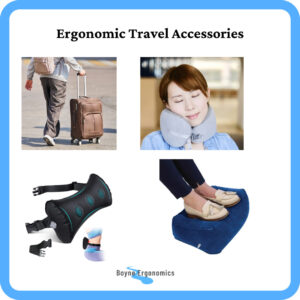
- Opt for a lightweight suitcase with wheels and a retractable handle to minimise lifting and carrying.
- If using a backpack, distribute the weight evenly and always use both shoulder straps to avoid uneven pressure on your spine.
Maintain Good Posture
Whether you’re sitting in a car, train, or plane, good posture makes a significant difference. Sit with your back straight and supported, and keep your shoulders relaxed.
- Use a travel pillow (inflatable ones are a great space-saving option) or a rolled-up towel to support your lower back if needed.
- Keep your feet flat on the floor and avoid crossing your legs for extended periods.
Stay Hydrated
Dehydration can lead to muscle cramps and fatigue, making it harder to maintain good posture. Drink plenty of water throughout your journey to keep your muscles functioning properly.
Take Regular Breaks
If you’re driving, plan to stop every hour to stretch and walk around.
On long flights or train rides, stand up and move around the cabin periodically. Stretching improves circulation and reduces muscle stiffness.
Use Ergonomic Accessories
Invest in ergonomic travel accessories such as neck pillows, lumbar supports, and footrests. These provide additional comfort and support, helping you maintain proper alignment and reduce strain over long journeys.
Stretch and Exercise
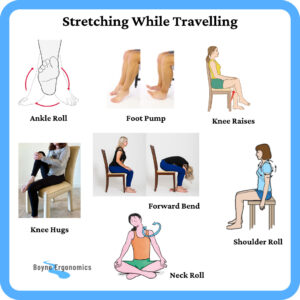
Incorporate simple stretches into your travel routine. Target your neck, shoulders, and legs to relieve tension and improve blood flow. Ankle rolls, shoulder shrugs, and seated marches are easy to do even in a confined space.
Mind Your Screen Time
If you’re using devices during your journey, be mindful of your posture.
- Hold your phone or tablet at eye level to avoid straining your neck.
- Take regular screen breaks to rest your eyes and give your body a chance to move.
Get a Good Night’s Sleep
Proper rest is essential for physical recovery. If you can, choose accommodation with comfortable bedding and pillows that support your sleeping posture. If you’re camping, invest in a quality sleeping mat or air mattress to protect your back.
Listen to Your Body
Pay attention to any signs of discomfort or pain. If something doesn’t feel right, take a break and adjust your posture or activity. Don’t push through pain — it can lead to more serious injuries down the line.
Stay Sun Safe
Heat and sun exposure can contribute to fatigue, which in turn affects your posture and energy levels. Apply high-SPF sunscreen regularly, avoid prolonged sun exposure between 12pm and 3pm, and wear a sun hat and loose, breathable clothing to keep your body comfortable throughout the day.
Helping Hotel Cleaners: Small Actions, Big Impact
Good holiday ergonomics isn’t just about looking after yourself — it can extend to those around you too.
On this trip, we had our first hotel stay with the children, and for the first time I found myself thinking not only about making things easier for our family, but for the housekeeping staff who would be cleaning and turning over the room.
If you’re staying in a hotel, a few simple habits can make a real difference to the physical well-being of the people who help make your stay comfortable.
Lift Bins Off the Floor
When you leave, lift the bins off the floor and place them on a counter or table. This simple action can prevent cleaners from having to bend down repeatedly, reducing the strain on their back and knees..
Strip the Bed
Before checking out, strip the bed of its linens and gather them in one place. This small effort can save time and reduce the physical exertion required for housekeepers, who often have to strip and remake multiple beds each day.
Tidy Up
Keep the room tidy by putting away any items that might be on the floor or scattered around. Place used towels in a pile in the bathroom, making them easier to collect. A tidy room can significantly reduce the amount of bending and reaching cleaners need to do, as well as reducing trip hazards.
Dispose of Rubbish Properly
Make sure all rubbish is disposed of in the bins provided and not left scattered around the room. This helps cleaners efficiently manage waste without having to pick up individual items from various places.
Report Maintenance Issues
If you notice any maintenance issues, such as a leaking tap or a broken chair, report them to the hotel staff. Addressing these issues promptly can prevent accidents and reduce the workload for maintenance and cleaning staff.
By keeping ergonomics in mind — for yourself and for others — you can enjoy a more comfortable holiday and play a small but meaningful part in making the workplace better for those who keep things running behind the scenes.
Bon voyage and stay healthy!